Planning Toubkal as a solo female traveller raises fair questions: is it safe, will I be on my own with a male guide, what should I wear and how do refuges work? Many women trek in the High Atlas alone every year and come back with great memories. This guide shares practical, honest advice for a solo female Toubkal trek, from choosing your guide to daily life in the villages.
Is Toubkal safe for solo female travellers?
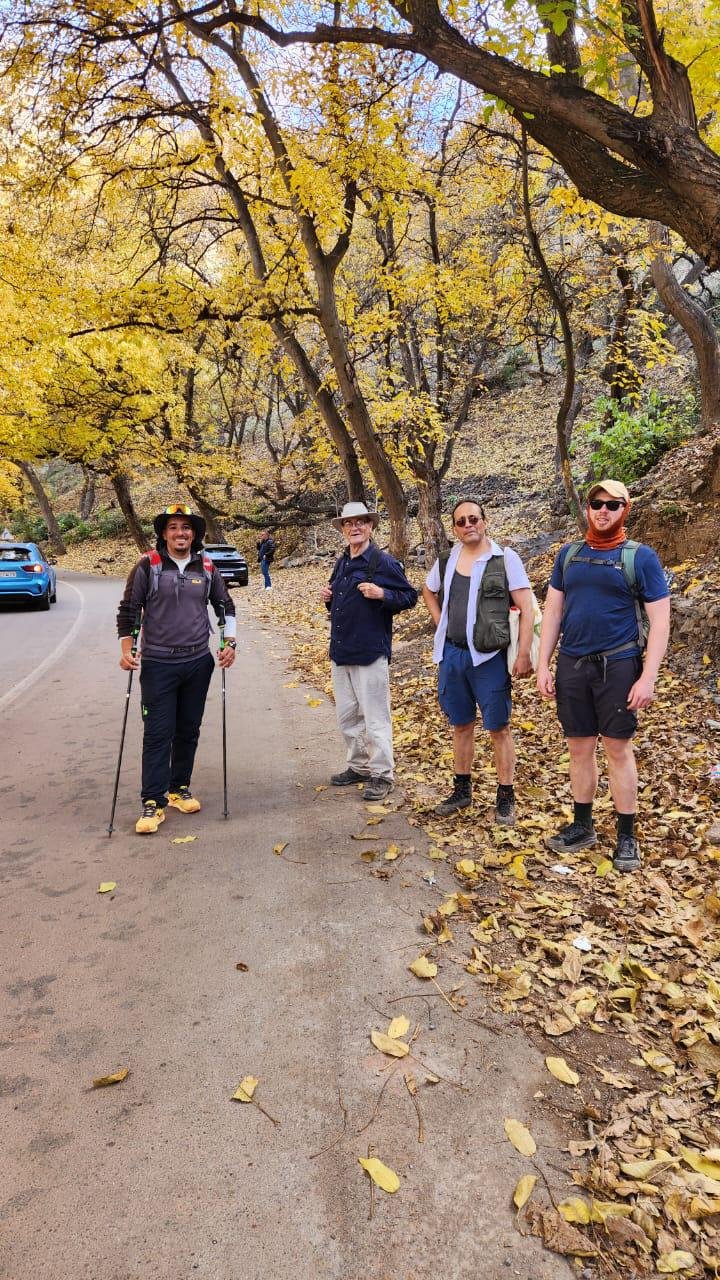
Generally, yes. The Imlil–Toubkal route is one of Morocco's busiest trekking areas, guides are licensed, and mountain communities are used to welcoming women trekkers from all over the world. Since 2019 every visitor climbing Toubkal from Imlil must walk with a licensed guide, which also means you are never alone on the trail. As anywhere, common sense matters: book through a known agency, share your plans with someone at home and trust your instincts.
For country-level safety information, check your government's travel advice, for example the UK Foreign Office advice for Morocco, before you go.
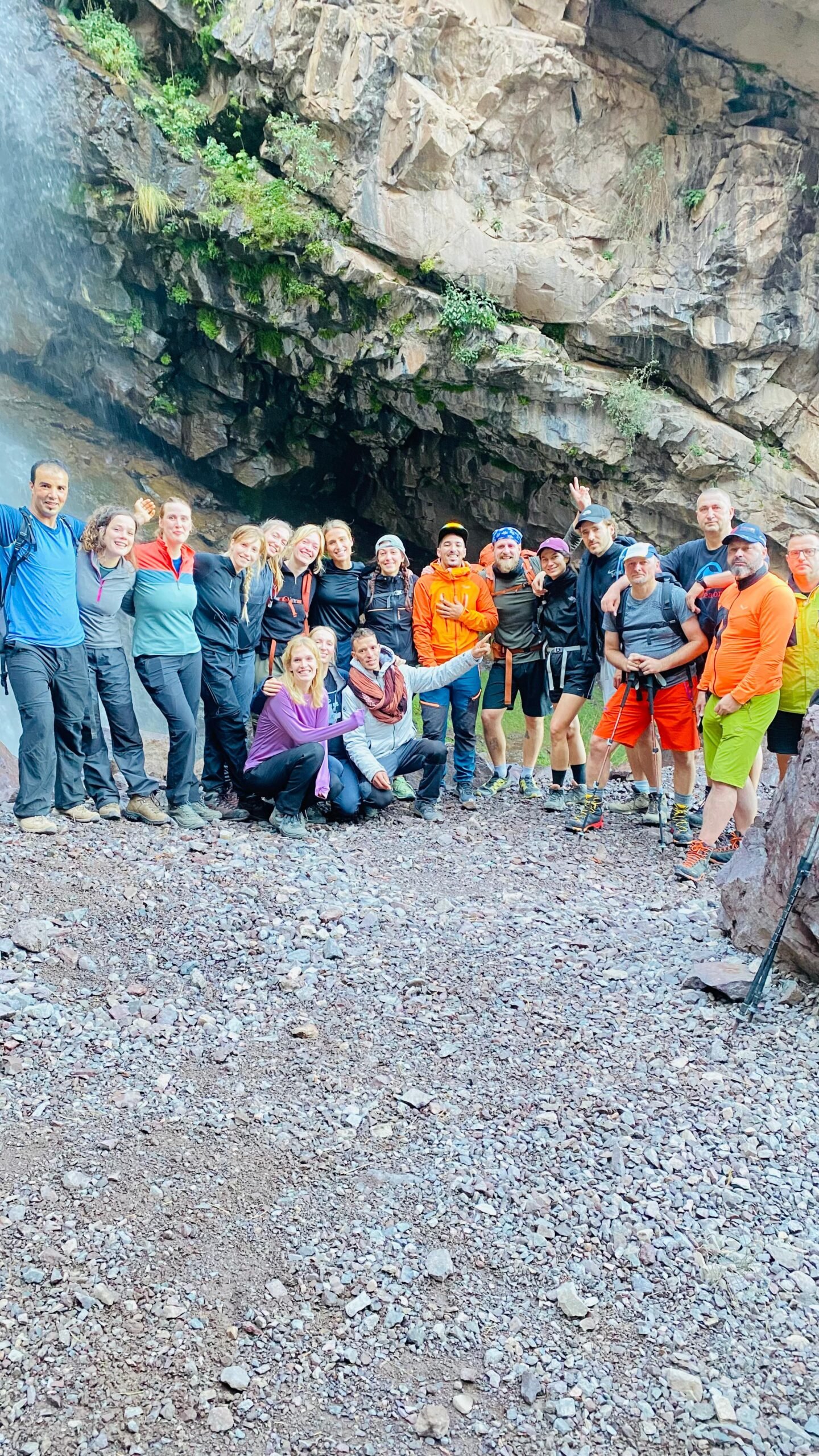
Joining a group or booking a private guide?
| Option | Pros | Cons |
|---|---|---|
| Private guide | Your pace, flexible plan, more cultural exchange | Higher cost per person |
| Small shared group | Company, lower cost, social evenings at the refuge | Fixed dates, pace of the group |
| Private guide + friend met online | Shared cost, still flexible | Needs good coordination beforehand |
If you prefer, you can ask the agency whether a female guide is available. They are still rare in the High Atlas, but the number of women working in mountain tourism is growing. Otherwise, ask for a guide with good references and clear communication before the trek.
How to choose a guide you feel comfortable with
- Book in advance through an agency with a written programme, phone number and address, rather than with someone who approaches you in the street.
- Ask for the guide's name and licence before arrival, and share these details with a friend or family member.
- Clarify the plan: which refuge or gîte, which rooms, who else is in the team (muleteer, cook).
- Agree on communication: the guide's phone number, and how to reach the agency during the trek.
- Speak up early if anything makes you uncomfortable; a professional guide will respect it, and the agency should act.
What to wear as a woman trekking in the High Atlas
On the trail, normal trekking clothes are fine. In villages, dressing a little more modestly is respectful and avoids unwanted attention:
- Trousers or long trekking skirts rather than short shorts.
- T-shirts that cover the shoulders; a light long-sleeved shirt is also great sun protection.
- A scarf or buff, useful for sun, dust, wind and as a cover in villages.
- Warm layers for the evening: refuges and gîtes are cold at night.
You do not need to cover your hair. Simply following these guidelines usually leads to warmer interactions with village women and families.
Sleeping at the refuge and in gîtes
The Toubkal refuges have shared dormitories and shared bathrooms; they are usually mixed. Some offer a few smaller rooms that you can request in advance, depending on availability. Village gîtes on longer treks are family homes with simple rooms, and you often sleep in a room of your own or share with other trekkers. Practical tips:
- Bring earplugs, an eye mask and a headtorch with a red light mode.
- Keep valuables in a small bag that stays with you.
- Pack a sleeping bag liner for hygiene and warmth.
- Bring wet wipes and a small towel: showers can be cold or limited at altitude.

Periods and hygiene on the trek
A practical question many women ask: menstrual care on a multi-day trek. Toilets at refuges and gîtes are basic, and there are no bins on the trail. A menstrual cup or period underwear reduces waste; otherwise bring sealable bags to carry used products down. Altitude and travel can change your cycle, so pack supplies even if you do not expect your period. Hand sanitiser is essential.
Which Toubkal itinerary for a solo traveller?
| Itinerary | Why it works solo |
|---|---|
| 2-day Toubkal trek | Short, busy route, easy to fit into a city trip |
| 3-day Toubkal summit trek | More time to adapt, calmer descent |
| 5-day villages and summit | Nights with families, more cultural contact |
| 6-day Toubkal circuit | Remote valleys, deeper experience with your guide |
Not sure what the summit morning involves? Read our Toubkal summit day timeline.
Getting to Imlil safely on your own
The simplest option is a transfer organised by your agency from your riad in Marrakech, which avoids negotiating taxis alone. Arriving in Imlil the evening before and sleeping in a guesthouse also gives you time to meet your guide calmly. Keep a printed copy of your booking, the agency's phone number and the address of your accommodation.
Health, phone signal and staying in touch
Before the trek, buy a local SIM card in Marrakech: mobile coverage exists in Imlil and parts of the valley, but it becomes patchy higher up, and there may be no signal for hours on the far side of the massif. Tell someone at home your expected return date and agree to message them when you are back in Imlil. Your guide will normally carry a phone and know where coverage is available.
Altitude affects women and men in similar ways, so take the usual precautions: walk slowly, drink regularly and tell your guide early if you feel a strong headache or nausea. Pack a small personal first-aid kit with blister plasters, pain relief you already know you tolerate, and any medication you take at home. Travel insurance that covers trekking to 4,200 m and mountain rescue is strongly recommended for every trekker, solo or not.
Respect, tips and cultural moments
Trekking solo often leads to more encounters, not fewer. Women in the villages may invite you for tea or show you how bread is baked. A few words in French, Arabic or Tamazight ("salam", "shukran", "tanmirt") open doors. Ask before taking photos of people, especially women and children. At the end of the trek, tipping the guide, muleteer and cook is customary; ask the agency for a typical range so you can plan your cash.
Key takeaways
- Toubkal is a popular, generally safe trek for solo women, always with a licensed guide.
- Book through an agency with written details and share your plans with someone at home.
- Dress modestly in villages; normal trekking clothes are fine on the trail.
- Refuges have mixed dorms: earplugs, a liner and a small valuables bag help a lot.
Travelling alone and want a tailored plan? Send us your dates and tell us whether you prefer a private trek or a small group.